Selling your home in Ontario often brings one hard question to the surface: should you redo the roof before you list, or leave it as is and hope it doesn’t become an issue. If you live in the GTA, you already know buyers are cautious, inspections are detailed, and roofing concerns can slow down or derail a sale. Many homeowners feel stuck between spending money they may not fully recover and risking price reductions, buyer hesitation, or last-minute repair demands.
This guide is written to help you make that decision with clarity. Whether your roof is nearing the end of its life, showing visible wear, or simply raising questions during preparation for sale, understanding how buyers, inspectors, and real estate negotiations view roofing can protect both your timeline and your final sale price.
Should You Replace Your Roof Before Selling Your Home?
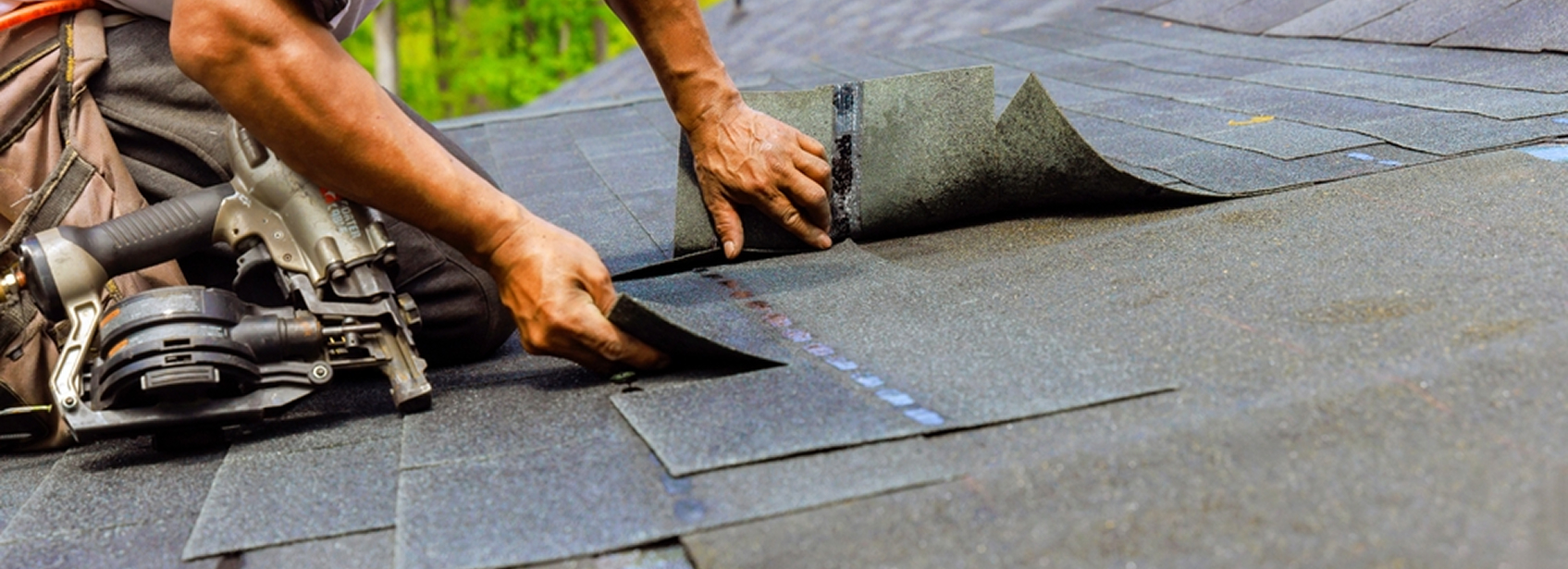
Replacing your roof before selling your home can be the right decision when the existing roof is near the end of its service life or shows visible signs of failure. In the GTA, most asphalt shingle roofs are expected to last between 20 and 25 years, and many buyers and home inspectors treat anything beyond that range as a liability. If your roof is curling, missing shingles, leaking, or showing heavy granule loss, it will likely be flagged during inspection and become a negotiation point. In these cases, replacing the roof before listing gives you control over timing, contractor choice, and cost, rather than reacting under pressure later.
That said, replacement is not automatic. The decision depends on roof age, condition, and the price range of your home. A newer home with an original roof that is already 18 to 22 years old is often expected to need work soon, while an older home with a visibly worn roof can struggle to attract serious buyers at all. Understanding how buyers interpret roof condition is the starting point.
Can It Increase the Value of Your House if You Replace the Roof?
Replacing the roof rarely increases the appraised value of a home dollar for dollar, but it often protects value that would otherwise be lost. For example, spending $15,000 on a new roof does not usually raise the sale price by $15,000. Instead, it prevents buyers from discounting the home by $20,000 to $30,000 to account for risk, inconvenience, and uncertainty. Buyers tend to overestimate repair costs and underestimate the quality of older roofs, especially when inspection reports use cautious language.
A new roof also strengthens your listing position. Homes with recently replaced roofs are easier to price confidently because there is no need to build in buffers for future concessions. In competitive GTA markets, this can help your home sit closer to the top of its price bracket rather than being pushed down due to condition concerns.
Does Replacing the Roof Make It Easier to Sell Your House?
Replacing the roof often makes a home easier to sell by reducing friction during showings, inspections, and negotiations. Buyers want predictable ownership costs in the first 5 to 10 years after purchase, and a new roof removes one of the largest unknowns. This matters even more when mortgage lenders and insurers are involved, as some insurers hesitate to cover roofs older than 20 years without documentation or inspections.
From a buyer’s perspective, a home with a new roof signals care and maintenance. It reduces the number of follow-up questions and shortens decision timelines. In contrast, an older roof can cause buyers to pause, seek multiple quotes, or walk away entirely if they feel rushed to decide. The smoother the transaction feels, the more likely buyers are to proceed without demanding price reductions.
Is It Worth the Investment?
Whether roof replacement is worth the investment depends on how it affects your net outcome rather than the upfront cost alone. In many GTA transactions, sellers who replace the roof avoid 2 common problems: extended time on market and late-stage renegotiations. A home that sits unsold for an extra 30 to 60 days often costs more in carrying expenses, stress, and eventual price drops than the roof replacement itself.
It is also important to consider timing. Replacing the roof before listing allows work to be done on your schedule, often at a lower cost than emergency or rushed repairs requested by buyers. It also avoids situations where multiple buyers use the same inspection issue to negotiate simultaneously, compounding pressure. When the roof is clearly near failure, replacement is often a defensive investment that protects both price and momentum.
Should You Repair Instead?
Roof repairs are often the better choice when the roof is structurally sound and has meaningful service life remaining. If the roof is under 15 years old and issues are limited to small areas, such as flashing failures, localized leaks, or wind damage affecting a few shingles, targeted repairs can address inspection concerns effectively. In these cases, spending $500 to $2,500 on repairs can resolve buyer objections without the cost of full replacement.
Repairs also make sense when documentation can be provided. Clear repair records, photos, and invoices help reassure buyers that problems were addressed properly. However, repairs should only be done when they are honest solutions. Cosmetic patching or short-term fixes often fail under inspection scrutiny and can damage trust. Repairs work best when they improve function, not just appearance.
When Should You Leave the Roof As It Is?
Leaving the roof as is can be the right decision when it is relatively new, performing well, and unlikely to raise inspection issues. Roofs under 10 to 12 years old with no leaks, that are properly installed, with no visible wear, and no storm damage typically do not justify pre-sale work. In these cases, replacement would not meaningfully improve buyer confidence or sale outcomes.
It can also make sense to leave the roof untouched in lower price brackets where buyers expect to make updates after purchase. Some buyers prefer to handle replacement themselves, especially if they plan renovations. In these situations, transparency matters more than upgrades. Clearly disclosing roof age and condition allows buyers to price expectations accurately without unnecessary spending from the seller.
Ultimately, the goal is not to over-improve, but to remove obstacles. When the roof is no longer an obstacle, replacement becomes optional rather than necessary.
How Much Do Roof Repairs Cost in Toronto and the GTA?
Roof repair costs in Toronto and the GTA vary based on roof type, access, height, and the nature of the problem, but most residential repairs fall within a predictable range. Repairs are typically priced to address specific failures rather than general wear, which is why inspections are important before listing a home for sale.
Common roof repair costs include:
- Minor shingle repairs: $495–$750
Covers replacement of a small number of shingles damaged by wind or age. - Flashing repairs or replacement: $750–$1,500
Often required around chimneys, walls, or skylights where leaks commonly develop. - Leak investigation and localized repair: $750–$2,000
Includes identifying the source of water entry and repairing the affected area. - Vent or pipe boot replacement: $500–$1,200
Necessary when rubber seals crack or detach over time. - Storm-related repairs: $1,000–$3,000
Pricing increases when damage affects multiple areas or requires urgent response.
For sellers, repairs are most effective when they eliminate inspection red flags. Small, well-documented repairs often prevent buyers from requesting larger price reductions later in negotiations.
How Much Does a Roof Replacement Cost in Toronto and the GTA?
Roof replacement costs in the GTA reflect labour, materials, building code requirements, and the age of the home. Most detached homes fall within a consistent range, though complex roofs increase pricing.
Typical roof replacement costs include:
- Average roof replacement: $15,000–$20,000
Applies to standard asphalt shingle roofs on detached homes. - Lower-end replacement range: $10,000–$14,000
Usually smaller homes with simple roof lines and good access. - Upper-end replacement range: $20,000–$25,000+
Includes steep slopes, multiple valleys, older decking, or ventilation upgrades.
Cost factors that influence pricing:
- Removal of 1 or more existing roof layers
- Decking repairs due to long-term moisture damage
- Ventilation upgrades required to meet current Ontario building code
- Roof height, pitch, and overall complexity
For homes being sold, replacement costs should be weighed against potential buyer concessions, insurance concerns, and delays that often exceed the cost of the roof itself.
Chouinard Bros Can Help Replace or Repair Your Roof
At Chouinard Bros, we help homeowners across Toronto and the GTA make clear roofing decisions when timing matters most. We understand how selling a home changes the conversation around repairs and replacement, and we focus on solutions that protect value rather than overspending. Our team inspects the roof properly, explains what truly needs attention, and outlines options with real numbers so there are no surprises later.
We handle both targeted repairs and full roof replacements, always with current Ontario building code in mind. When repairs make sense, we recommend them. When replacement is the smarter move, we explain why and manage the process from start to finish. Our goal is to remove obstacles before buyers find them.
If you are preparing to sell or weighing your options, book a free roof inspection with our team today and get clear answers before listing your home.
Request a Free Roofing Quote Today