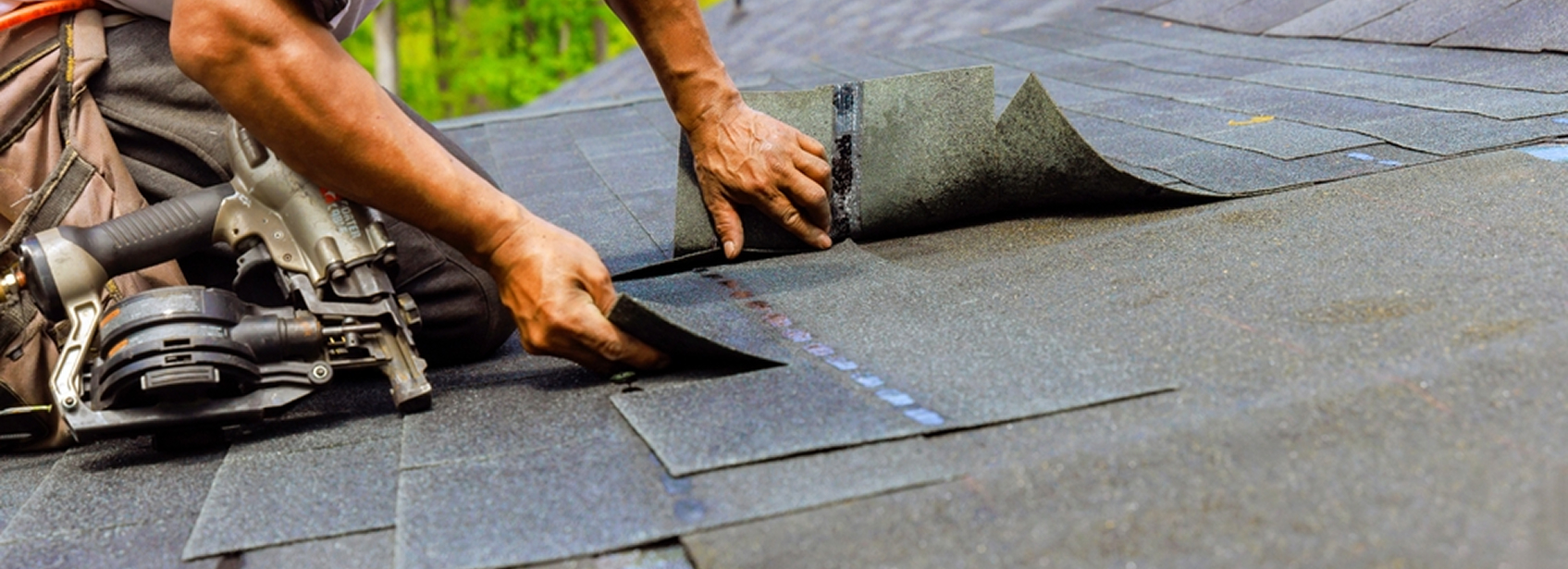
Deciding whether to repair your roof or replace it often happens at a stressful moment, usually after a leak, a storm, or a home inspection that raised concerns you were not expecting. If you live in the GTA, your roof deals with heavy snow, freeze-thaw cycles, wind, and summer heat, which means problems can appear suddenly even when the roof seemed fine a season earlier.
At the same time, roofing decisions are expensive and permanent, so choosing the wrong path can feel risky. You may be wondering whether a targeted repair will solve the problem or whether you are delaying the inevitable by not replacing the roof altogether. Adding to the pressure, conflicting advice online and wide price ranges can make it hard to know who to trust or what actually applies to your home.
This guide is written to help you make a clear, informed decision based on how roofs in Ontario really age, fail, and get fixed. By understanding when repairs make sense and when replacement is the safer investment, you can move forward with confidence instead of uncertainty.
Should You Repair Your Roof or Replace It?
The decision to repair or replace a roof comes down to risk, remaining lifespan, and how the damage affects the roof as a complete system. A roof is not just shingles or membrane but a combination of materials and components that work together to keep water out and control heat and moisture. When one part fails, it can either be an isolated issue or a sign that the entire system is reaching the end of its useful life.
In the GTA, this decision is shaped heavily by climate. Snow accumulation, ice damming, freeze–thaw cycles, wind, and summer heat all accelerate wear, especially on older roofs or roofs installed to outdated standards. Because of this, a repair that looks sensible in the short term can sometimes act as a temporary delay rather than a lasting solution.
Understanding when a repair protects the roof and when replacement is the safer investment helps prevent repeated spending and unnecessary interior damage. The sections below explain when each option makes sense, starting with repairs.
When Should You Repair a Roof (a Checklist)
Roof repairs are appropriate when the roof structure is still sound and the problem is limited to a specific area. A repair should restore proper function without relying on luck or short-term fixes. In many GTA homes, especially those with newer roofs, a well-executed repair can extend roof life meaningfully.
A roof repair is usually the right choice when the following conditions apply:
- The roof is relatively young
Roofs under 10 to 15 years old that were installed correctly typically experience isolated failures rather than full-system breakdown. - The damage is localized
Issues such as a small leak near flashing, a few missing shingles, or a damaged vent usually do not require disturbing the rest of the roof. - Granule loss is minimal and even
Shingles that still retain most of their granules are generally still performing their protective function. - The roof deck is flat and stable
A roof with no sagging or soft spots indicates the underlying structure has not been compromised by moisture. - The source of the problem is clearly identified
Repairs are effective when the cause is known, such as cracked flashing or exposed fasteners, rather than unexplained leaks. - Ice damming is related to insulation or ventilation, not roof failure
When ice damming stems from attic conditions, corrective work does not always require roof replacement. - The area has not been repaired repeatedly
First-time repairs behave very differently from patches applied to the same failing section year after year. - Repair costs are low relative to replacement
When repair costs remain a small fraction of replacement cost, repairs usually make sense.
When these conditions are met, repairs can restore performance and delay replacement without increasing risk.
When Should You Replace a Roof (a Checklist)
Roof replacement becomes the responsible option when problems are systemic rather than isolated. In these cases, repairs may stop leaks temporarily but do not correct the underlying condition of the roof. Many homeowners delay replacement too long and end up paying for interior damage that exceeds the cost of a new roof.
Roof replacement is usually the right choice when one or more of the following conditions exist:
- The roof is near or past its expected lifespan
In Ontario conditions, most asphalt shingle roofs last between 18 and 25 years depending on exposure and installation quality. - Leaks are occurring in more than one area
Multiple leaks typically indicate widespread failure of shingles or underlayment. - Granule loss is widespread
Significant granule loss exposes the asphalt layer and accelerates deterioration across the roof. - Shingles are curling, cracking, or lifting across large sections
These are signs of material fatigue rather than localized damage. - The roof deck shows signs of moisture damage
Rot or softness beneath the roofing materials usually requires full removal to correct safely. - Repairs are becoming frequent
Ongoing service calls are a strong indicator that the roof system is no longer reliable. - Ventilation and insulation do not meet current building codes
Replacement allows these issues to be corrected properly instead of worked around. - Insurance or resale requirements demand replacement
Older roofs can complicate insurance coverage or real estate transactions. - Repair costs approach replacement costs
When repair spending begins to rival replacement cost, replacement becomes the more predictable investment.
In these situations, replacement reduces uncertainty and protects the home from escalating damage.
How Much Does it Cost to Repair a Roof in Toronto and the GTA?
Roof repair costs in the GTA vary based on roof type, height, slope, accessibility, and the nature of the problem. Repairs are priced not only on materials but on labour, safety requirements, and accurate diagnosis.
Minor repairs typically start around $495.
These repairs address small, clearly defined issues such as replacing a limited number of shingles, sealing exposed fasteners, or correcting minor flashing defects. This price reflects the cost of sending trained technicians, using proper safety equipment, and ensuring the issue is fixed correctly rather than temporarily sealed.
Standard leak repairs usually range from $495 to $1,500.
These repairs often involve chimney flashing, wall intersections, vent replacements, or small sections of failed shingles. The cost depends on roof height, slope, and how easily the leak source can be accessed without disturbing surrounding materials.
Storm or wind damage repairs commonly fall between $495 and $2,500 or more.
Strong winds can lift shingles, damage ridge caps, or expose underlayment. Repair costs increase when multiple areas are affected or when damage is not addressed immediately and worsens with water entry.
Ice damming and water entry repairs typically range from $750 to $3,000 or more.
These repairs often involve emergency leak control, removal of damaged materials, and corrective work related to freeze–thaw cycles. Costs rise when interior damage or repeated ice events have already occurred.
Inspection and reporting costs are sometimes separate.
Basic inspections may be credited if repair work proceeds, while written inspection reports required for insurance purposes typically cost around $350. These reports document roof condition and are often necessary when dealing with insurers.
Repair costs increase significantly when access is difficult, the roof is steep, or damage has been ignored long enough to affect insulation, drywall, or framing.
How Much Does it Cost to Replace a Roof in Toronto and the GTA?
Roof replacement costs reflect the size and complexity of the roof, the condition of the structure beneath it, and the requirements of current building codes. In the GTA, pricing has increased due to material costs, labour shortages, insurance requirements, and stricter compliance standards.
Entry-level roof replacements typically range from $10,000 to $14,000.
These projects usually involve smaller homes with simple roof lines, minimal penetrations, and no significant decking or ventilation issues. This range generally includes removal of existing shingles and installation of standard architectural shingles.
The average roof replacement falls between $15,000 and $20,000.
Most detached homes in the GTA fall into this category. Pricing reflects full tear-off, new underlayment, updated flashing, proper ventilation, and compliance with modern building codes.
Larger or more complex roofs often range from $20,000 to $25,000 or more.
Steep slopes, multiple valleys, dormers, and large square footage all increase labour and safety requirements. Costs also rise when decking repairs or structural upgrades are required.
Additional costs may apply depending on roof condition.
Replacing damaged roof decking, upgrading ventilation, adding ice and water shield, or correcting long-standing issues can increase the final price. These upgrades are often necessary to ensure performance and warranty compliance.
While replacement costs are higher upfront, they reset the roof’s lifespan, reduce the risk of interior damage, and often improve energy performance and resale appeal. Financing options are commonly used to spread the cost over time, allowing homeowners to replace failing roofs before damage escalates.
By weighing roof condition, age, and long-term cost, homeowners in the GTA can choose between repair and replacement with clarity instead of uncertainty.
We Offer Financing for Roof Repairs and Replacements
At Chouinard Bros, we understand that roof problems rarely arrive at a convenient time. Leaks, storm damage, and aging materials demand action, even when replacing or repairing a roof was not part of the plan. Financing exists for one reason: to let you protect your home now without compromising everything else financially.
We offer financing options for both roof repairs and full replacements so decisions can be made based on what your roof actually needs, not what feels affordable in the moment. Financing allows repairs to be completed properly instead of delayed, and it gives homeowners the flexibility to choose a better roofing system rather than settling for the minimum. Monthly payments turn a large, one-time expense into something predictable and manageable.
Most importantly, financing helps prevent the far greater cost of interior damage caused by waiting too long. Water does not pause while homeowners save, and a roof that needs attention will continue to deteriorate. Financing removes that pressure and allows the right solution to happen at the right time.
Request a Free Quote Today
Every good roofing decision starts with clear, accurate pricing. That’s why we offer free roofing quotes for homeowners who want real answers about the cost of repairs or replacement. A detailed quote helps you understand the scope of work, the materials involved, and what makes the most sense for your roof.
We take the time to properly evaluate your roofing needs so the quote reflects real solutions, not rough guesses. Once the quote is prepared, we walk you through the details, explain your options, and answer any questions you may have. There is no obligation, no pressure, and no vague pricing.
If you are dealing with a leak, storm damage, or uncertainty about what your roof may cost to repair or replace, requesting a quote is the best next step. It replaces uncertainty with clarity and gives you a straightforward path forward.
Request a Free Roofing Quote Today