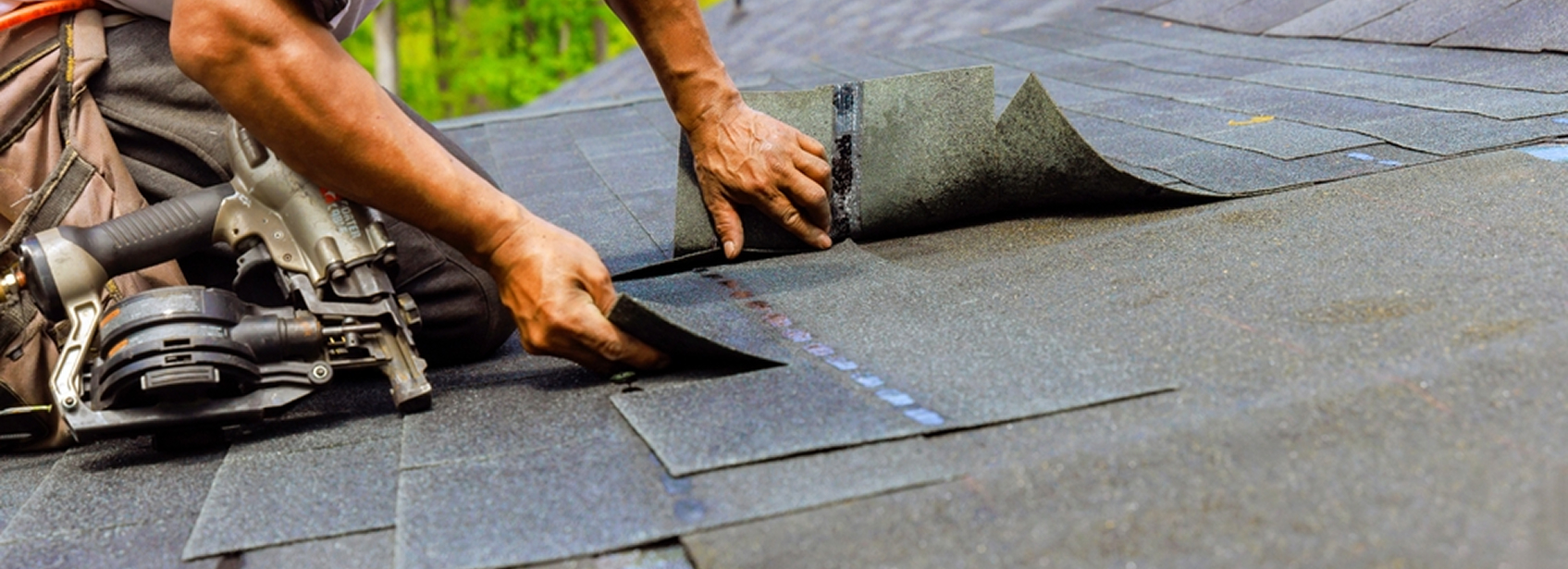
Repairing your own roof can feel like a practical choice when you notice a leak, missing shingles, or damage after a storm, especially when you are trying to protect your home and manage costs at the same time. Many homeowners in Toronto and the GTA consider DIY roof repairs because the problem feels urgent, the damage looks small, and climbing a ladder seems faster than calling a contractor. At the same time, your roof is a system that protects everything below it, and even minor mistakes can lead to leaks, interior damage, or larger repairs later. This guide is meant to help you understand when repairing your roof yourself makes sense, when it does not, and how to make a clear decision that protects your home and your investment.
Should You Repair Your Roof on Your Own?
Repairing your roof on your own can seem reasonable when the issue looks small and easy to reach, especially if the rest of the roof appears to be in good condition. In Ontario, many homeowners consider DIY repairs after noticing a loose shingle, a small drip, or debris damage following wind or snow. The challenge is that roofs rarely fail in isolation, and visible damage is often a sign of a deeper issue involving water flow, flashing, ventilation, or aging materials. Before deciding to repair your roof yourself, it is important to understand what types of work are low risk and what types can create larger problems if done incorrectly. This section is meant to clarify that difference so decisions are based on risk, not urgency.
When Should You Repair on Your Own?
Minor roof work can be handled by a homeowner when the task does not interfere with the roof system and does not require specialized tools or experience. These situations are limited, but they do exist.
- Replacing a single, clearly damaged shingle
A single shingle that has blown off or cracked, with no surrounding damage and no signs of leaking inside the home, is one of the few repairs that can be done safely if access is easy and conditions are dry. This assumes the roof is relatively young and the replacement shingle matches properly, so it seals as intended. - Cleaning debris from valleys and eavestroughs
Leaves, branches, and debris can block water flow and cause backups that lead to leaks or ice damming. Removing debris from roof valleys or eavestroughs helps prevent water from sitting where it should not. This type of maintenance does not alter the roof structure and reduces the risk of water-related damage. - Temporary sealing during an emergency
In cases where water is entering the home during a storm and professional help is not immediately available, a temporary seal using roofing cement or a tarp can limit interior damage. This is not a permanent repair and should only be used to buy time until proper repairs are completed. - Visual inspections from the ground or ladder
Checking for obvious issues such as missing shingles, lifted edges, or damaged flashing from a safe vantage point can help identify problems early. This does not involve walking on the roof and reduces the risk of causing damage or injury.
When Should You Hire a Roofer?
Most roofing issues should be handled by a professional because roofs are systems, not surfaces, and mistakes are often hidden until damage spreads.
- Any active or recurring leak
If water is entering the home, the source is often not directly above the stain or drip. Professional roofers trace leaks through flashing, underlayment, and ventilation points to fix the cause, not just the symptom. DIY repairs in these cases often delay proper repairs and increase interior damage. - Damage involving flashing, vents, or chimneys
Flashing around vents, skylights, and chimneys is one of the most common failure points on a roof. Improper sealing or installation can force water under shingles and into the roof deck. These areas require experience and correct materials to repair properly. - Walking on an older or steep roof
Older shingles become brittle and can crack or lift when walked on, even if they look intact. Steep roofs increase the risk of falls and accidental damage to shingles, vents, and ridge caps. Roofers are trained to move across roofs without compromising the materials. - Widespread shingle loss or storm damage
If multiple shingles are missing, lifted, or damaged, the roof may no longer be shedding water as designed. This often indicates wind damage or aging materials and may point toward a larger repair or replacement decision rather than a patch. - Issues related to ventilation or insulation
Problems such as ice damming, moisture in the attic, or mould growth are rarely caused by shingles alone. These issues involve heat loss, airflow, and insulation levels, which must be addressed together to prevent repeat damage. - Uncertainty about the cause of the problem
If the source of the issue is unclear, repairs should not be guessed. Professional inspections identify whether the problem is localized or part of a broader failure, allowing repairs to be done once and done correctly.
Understanding these boundaries helps protect the roof system and prevents small problems from becoming expensive repairs later.
Should You Repair or Replace Your Roof?
Deciding whether to repair or replace a roof is one of the most common and difficult decisions homeowners face, especially in Toronto and the GTA where roofs are exposed to snow, ice, wind, and strong seasonal temperature swings. At first glance, repairing the damaged area often feels like the logical and lower-cost option, while replacement can feel premature or overwhelming. The reality is that the right decision depends on the roof’s age, the extent of the damage, and whether the roof system is still doing its job of shedding water and protecting the structure below. This section explains how to evaluate that decision in a clear and practical way, focusing on long-term risk rather than short-term relief.
Signs You Should Repair Your Roof
Roof repairs make sense when the damage is limited, the roof is structurally sound, and the remaining lifespan justifies the work. These situations are common and can often extend the life of a roof when handled correctly.
- The roof is relatively young
A roof that is still well within its expected lifespan and has been performing consistently is often a good candidate for repair. When materials are not brittle and the sealing components are intact, targeted repairs can restore proper function without compromising the rest of the system. - The damage is isolated to one area
Single leaks, small sections of missing shingles, or localized flashing issues are often repairable when the surrounding roof shows no signs of widespread wear. In these cases, the problem can be addressed without disturbing large portions of the roof. - No signs of ongoing moisture damage inside the home
When there are no recurring water stains, no attic moisture, and no signs of mould, the issue is likely recent and limited. Early intervention with a proper repair can prevent the problem from spreading into insulation, drywall, or framing. - Storm-related damage with otherwise good roof condition
Wind damage that lifts or removes a few shingles does not automatically mean the roof has failed. If the roof was in good condition before the storm, replacing damaged materials and resealing the area can return the roof to proper performance. - Flashing or sealant failure without deck damage
Flashing around vents, chimneys, or skylights can fail before shingles do. If the underlying roof deck is still solid and dry, replacing or resealing flashing can solve the problem without the need for a larger project.
Signs You Should Replace Your Roof
Roof replacement becomes the safer and more cost-effective option when repairs no longer address the underlying issues or when the roof is nearing the end of its useful life.
- The roof is near or past its expected lifespan
As roofs age, materials lose flexibility and seals break down. Even well-installed roofs reach a point where repairs become frequent and less effective. At this stage, replacement reduces the risk of repeated leaks and ongoing repair costs. - Multiple leaks or recurring problems
When leaks appear in more than one area or return after previous repairs, the roof is no longer functioning as a reliable system. These patterns usually indicate widespread wear, failed underlayments, or aging materials that repairs cannot fully correct. - Widespread shingle deterioration
Curling, cracking, heavy granule loss, or lifted shingles across large sections of the roof are signs that the protective surface is failing. When shingles can no longer shed water properly, patching isolated areas does not restore overall performance. - Moisture in the attic or structural damage
Water intrusion that reaches insulation, roof decking, or framing creates problems beyond the roof surface. Soft spots in the deck, visible rot, or long-term moisture indicate that replacement is needed to address both the roof and the structure beneath it. - Ice damming linked to roof system failure
Repeated ice damming can point to problems with ventilation, insulation, and roof design. When these issues persist year after year, replacement provides the opportunity to correct the full system rather than managing symptoms each winter. - Repairs are approaching the cost of replacement
When repair estimates add up to a significant portion of the cost of a new roof, replacement often provides better value. A new roof resets the lifespan, reduces maintenance, and lowers the risk of unexpected damage.
Understanding these signs allows decisions to be made with confidence, based on how the roof is performing as a system rather than how the damage appears from the ground.
How Much Do Roof Repairs Cost in Toronto and the GTA?
Roof repair costs in Toronto and the GTA vary depending on the type of issue, how accessible the roof is, and whether the damage is limited or connected to a larger problem. Repairs are priced to reflect not only materials, but also labour, safety requirements, and the time needed to properly diagnose the cause of the issue.
- Minor repairs: $495–$750
Basic repairs often start around $495 and include small fixes such as replacing a few shingles, resealing minor flashing issues, or securing lifted materials. These repairs assume the roof deck is solid and no hidden moisture damage is present. - Flashing and vent repairs: $600–$1,200
Repairs around vents, chimneys, and skylights require careful removal and reinstallation of surrounding materials. Costs increase when flashing must be replaced rather than resealed, or when multiple penetrations are involved. - Leak investigation and repair: $750–$1,500
Tracking the source of a leak takes time, especially when water is travelling beneath shingles or through the attic. This range typically includes diagnosis, repair, and resealing of the affected area, but not interior repairs. - Storm or wind damage repairs: $800–$2,500
When multiple shingles are missing or damaged, repairs may involve rebuilding sections of the roof surface. Pricing depends on the number of affected areas and whether materials can be matched properly. - Inspection and reporting costs: $250–$350
A professional roof inspection generally costs between $250 and $300, while a detailed written report with photos, often required for insurance, is typically $350. These fees are sometimes credited if repairs proceed.
How Much Does a Roof Replacement Cost in Toronto and the GTA?
Roof replacement is a larger investment, but it addresses the full roof system and removes the uncertainty that comes with repeated repairs. Pricing reflects materials, labour, disposal, and the condition of the existing roof structure.
- Average roof replacement: $15,000–$20,000
Most standard residential roof replacements in the GTA fall within this range. This typically includes removal of existing shingles, new underlayment, ice and water protection, and installation of new shingles. - Lower range replacements: $10,000–$14,000
Smaller homes with simple roof lines, good access, and minimal repairs to the deck may fall at the lower end of the range. These projects still meet current building code requirements. - Higher range replacements: $20,000–$25,000+
Larger homes, steep roofs, complex layouts, or older houses often cost more. Additional factors include multiple layers to remove, damaged roof decking, upgraded ventilation, or premium materials. - Material volume example
A typical replacement using approximately 30 bundles of shingles can cost around $20,000 once labour, disposal, and system components are included. - Factors that affect final cost
Age of the home, access to the roof, number of penetrations, ventilation upgrades, and structural repairs all influence pricing. Older homes often require more corrective work to meet current standards.
Understanding these ranges helps set realistic expectations and makes it easier to compare repair versus replacement based on long-term value rather than upfront cost alone.
Chouinard Bros Can Help with Your Roof (and We Offer Financing)
At Chouinard Bros, we help homeowners across Toronto and the GTA make clear, confident decisions about their roofs. We start by inspecting the roof system as a whole, not just the visible damage, so repairs solve the problem instead of delaying it. When replacement is the better option, we explain why, outline the scope clearly, and complete the work to current building standards. Our team has decades of experience working on Ontario homes, and we focus on doing the job right the first time.
We also understand that roof work is rarely planned. That is why we offer financing options that make repairs or replacement manageable without cutting corners. The goal is to protect the home now, not postpone necessary work because of cost.
Book a free consultation today to get a clear assessment, honest guidance, and a solution that fits the home and the budget.
Request a Free Roofing Quote Today