

Flat Roofing Systems Designed for Low-Slope Roofs and Modern Buildings
Not every roof is suited for traditional shingles. When a roof has a low slope or limited pitch, a flat roofing system can provide a more reliable and durable solution. Flat roofing systems are commonly used on commercial buildings, but they are also increasingly used on residential additions, renovations, and modern home designs.
What Is a Flat Roof and How Does It Actually Work?
Despite the name, a flat roof is not completely flat. Flat roofing systems are designed with a slight slope that allows water to drain toward designated drainage points.
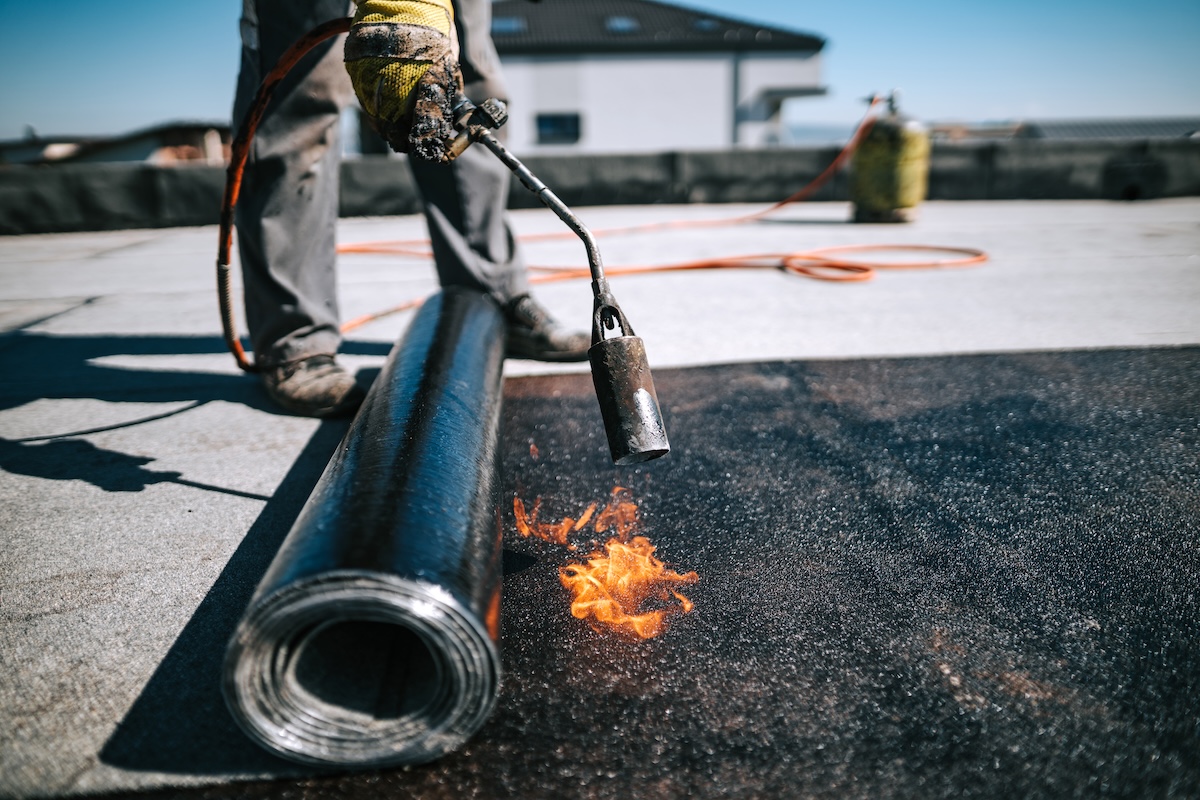
Unlike traditional shingle roofs, which rely on overlapping materials to shed water downward, flat roofing systems use sealed membranes or layered materials that prevent water from penetrating the roof surface. This approach creates a tightly sealed system that protects the structure even when water remains on the roof temporarily.
Because of this design, flat roofing systems are often the most effective solution for buildings where steep roof pitches are not practical.
When Is a Flat Roofing System the Best Choice for a Property?
Flat roofing systems are commonly used in situations where traditional roofing materials would struggle to perform effectively.
A flat roof may be the right solution when:
- A roof has very low slope or pitch
- A home addition or renovation creates height restrictions
- A building has a modern architectural design
- A commercial property requires a practical roofing system
In many residential projects, flat roofing systems are installed on additions such as back porches or extensions where building height limits prevent the use of steeper roof designs.
Why Flat Roofing Systems Work Better on Low-Slope Roofs
Shingles are designed for roofs with enough slope to quickly shed water. On roofs with limited pitch, shingles may allow water to move underneath the material, which increases the risk of leaks.
Flat roofing systems address this issue by creating a continuous sealed surface across the entire roof.
Key advantages of flat roofing systems include:
- Preventing water from working underneath roofing materials
- Handling standing water more effectively than shingles
- Reducing the risk of leaks on low-pitch roofs
- Creating a tightly sealed protective layer
These features make flat roofing systems especially effective for roofs that cannot rely on steep slopes to shed water.
How Flat Roofing Compares to Traditional Sloped Roofing
Both flat roofing and sloped roofing systems can provide reliable protection when installed correctly, but they function differently.
Sloped roofs rely on gravity to move water down the roof quickly. Flat roofs rely on sealed membranes and controlled drainage systems to manage water.
While sloped roofs often require less maintenance due to rapid water shedding, flat roofs can be an excellent solution where slope limitations exist. Choosing the right system depends on the design of the building and the roofing conditions.
How Long Do Flat Roofs Last and What Maintenance Do They Need?
The lifespan of a flat roof depends on the materials used and the quality of the installation. Many modern flat roofing systems can last for many years when properly maintained.
Because flat roofs may experience occasional standing water, regular inspections and maintenance are important to ensure the roof continues to perform properly. Monitoring seals, drainage systems, and flashing areas helps extend the life of the roof.
With proper installation and maintenance, flat roofing systems can provide durable protection for both residential and commercial properties.
How Much Does Flat Roofing Cost Compared to Sloped Roofing?
Flat roofing systems typically require more specialized materials and installation techniques than traditional shingle roofs. As a result, they can cost more than a standard sloped roofing system.
Several factors influence the price of a flat roofing project, including:
- Roof size and complexity
- Roofing system and materials used
- Accessibility of the building
- Installation requirements and safety considerations
Although the initial cost may be higher, a properly installed flat roof can provide a durable solution for buildings where traditional roofing is not suitable.
Questions Property Owners Ask About Flat Roofing
Can a low-slope roof be converted to a flat roofing system?
Yes. In many cases, low-pitch roofs that experience recurring problems with shingles can be converted to a flat roofing system designed to better handle the conditions.
Will flat roofing help solve recurring leak problems?
Flat roofing systems are often installed on roofs where shingles have struggled to perform. By creating a sealed membrane, they can significantly reduce the risk of water intrusion on low-slope roofs.
Need a Flat Roofing System Installed? Let’s Discuss Your Project.
If your building has a low-slope roof or requires a specialized roofing solution, a flat roofing system may provide the protection and reliability you need. A professional evaluation can help determine the best system for your property and ensure the roof is installed correctly for long-term performance.